Language: Purpose & Meaning
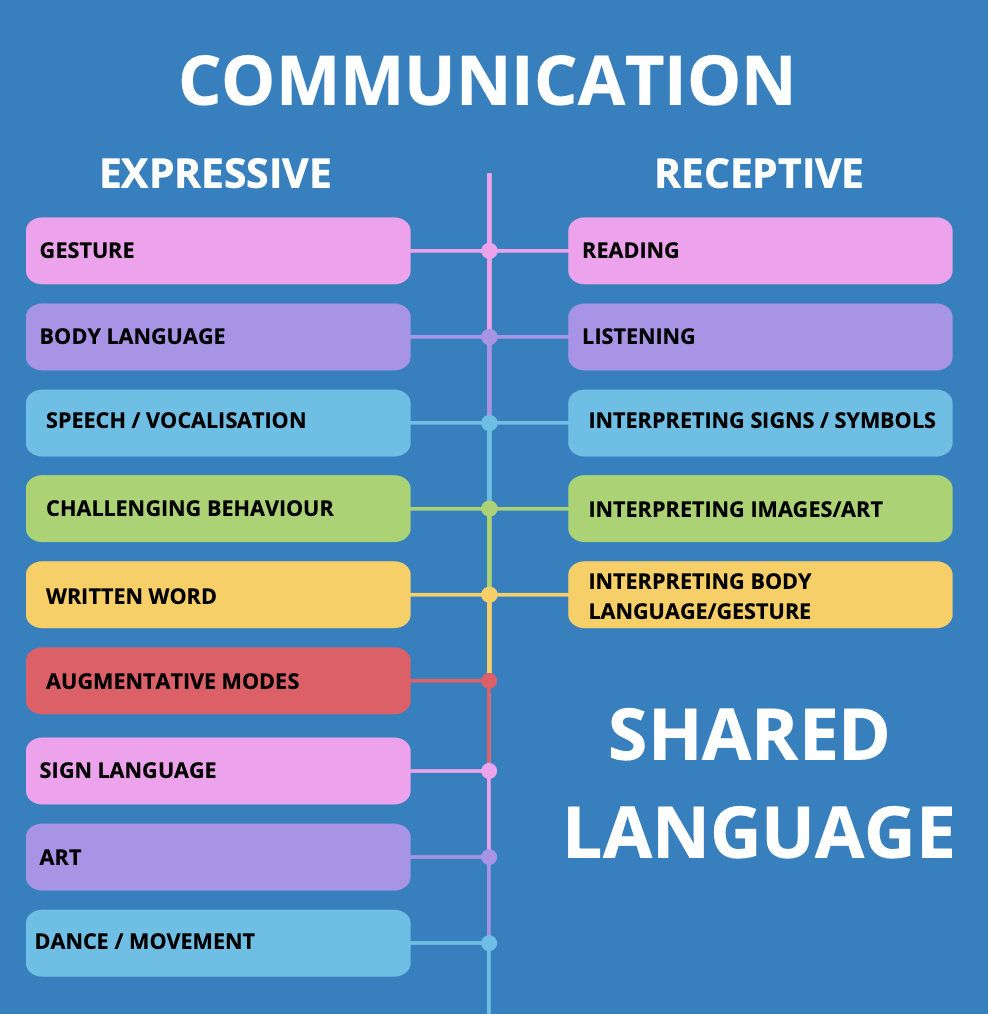
The function of language may require explicit teaching before embarking on specific reading and writing activities. It is essential to teach all our young people that the ultimate purpose of language is communication. Reading and writing are simply two forms of communication (one expressive, the other receptive).
Understanding shared language meaning is a developmental process which must be considered when delivering any literacy curriculum. Students may not understand the meaning of language or how to use it effectively to communicate in different ways. It is essential we ensure these gaps are filled before we teach specific forms of communication such as reading and writing. Students will need an understanding of symbolic representation in order to fully comprehend the concept of the alphabetic code, for example. This is explored in detail in Kirsty Page’s Launchpad for Literacy (2018).
Useful Resources
Foundations in Literacy Instruction