“We need to provide students with robust communication systems, model the use of AAC as much as we can, and attribute meaning to students’ communication attempts.”
Literacy Instruction for Students with Significant DisabilitiesWhat do we mean by ‘Access to Communication’?
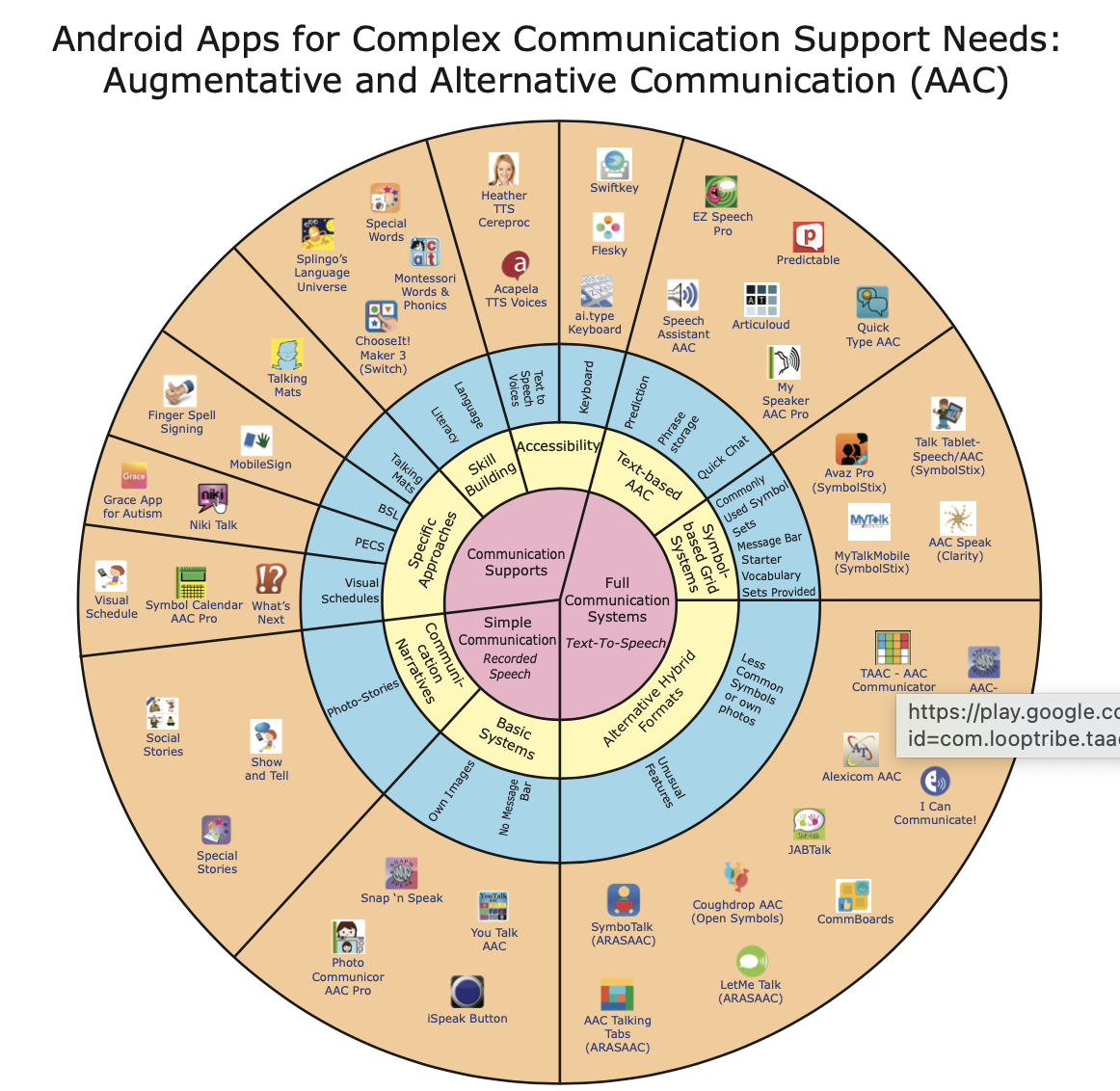
Access to communication involves ensuring that learners have equitable opportunities to express themselves, comprehend others, and engage in meaningful interactions in the most effective means for them. Facilitating access to communication ensures learners have a consistent method to indicate, choice, opinion, wants and needs. This may involve using high and low tech Augmentative & Alternative Communication (AAC) devices (communication boards, speech-generating devices, sign language, or visual supports) to facilitate interaction and expression. Communication should be integrated seamlessly into learner’s daily activities
Working towards Communicative Competence
Janice Light (1989) defined Communicative Competence as “the ability to communicate functionally in the natural environment and to adequately meet daily communication needs.
Caroline Musselwhite has broken down the concept of Communicative Competence into 4 key areas:

Other useful resources:


Foundations in Literacy Instruction