What do we mean by Composition?
Composition refers to the act of text generation, usually into words, sentences and full texts. This is heavily reliant (as with reading comprehension) on individual student experiences, contexts and prior knowledge. Students will need to be able to link images and experiences to individual words to create meaning. A vocabulary-rich learning experience will enable students to compose texts around relevant themes with far more depth in meaning than those with which they have limited familiarity and vocabulary exposure.
As an example, if we were asked to write about the two pictures below, which one would you find easier? This will be heavily reliant on your own personal experiences, including how you felt if you had first-hand knowledge of something linked to the picture.
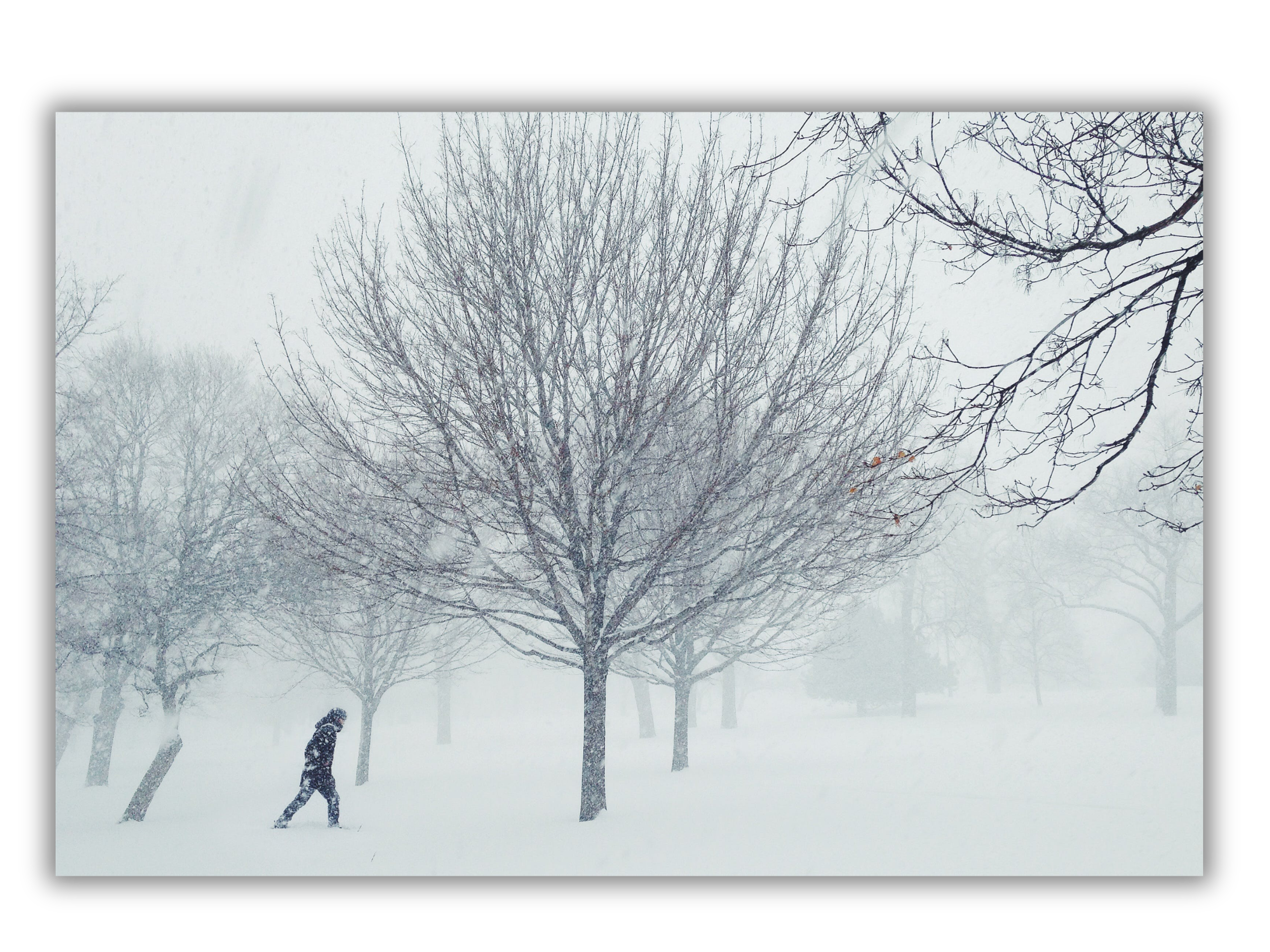
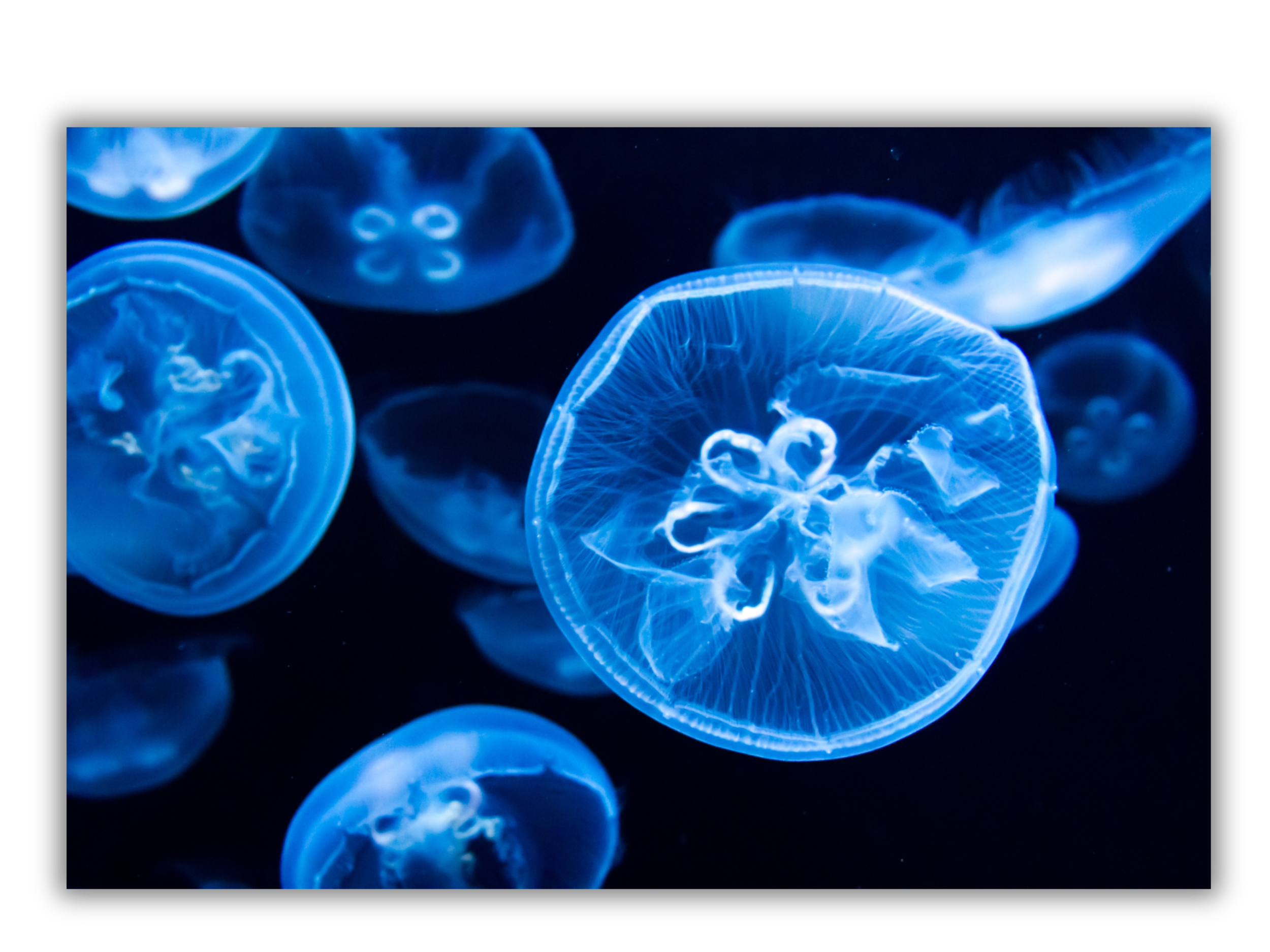
Take each picture in turn. Start at a basic level of listing what you can see. Move onto deeper thinking about each one. For example, what does each image make you feel? What might it feel like to be there? What might you hear or what might happen next?
Which one was easier to generate more ideas for? The chances are that the snow picture is something you have experienced previously and you may therefore have found it much easier when generating ideas. You may simply have been stuck at what you see for the second picture, attempting to link your observations to things you already know of. You may have thought of jellyfish, water, seaweed, etc. For images like this, you are more likely to require the activation of creative thinking and imagination to explore possibilities. This is a higher-level composition task and therefore may not be developmentally appropriate for students without a certain level of knowledge and understanding of the world around them.
Foundations in Literacy Instruction