
St Leonard’s C of E Primary School, Lancashire
Oliver
Literacy as a Gateway to Language
Oliver’s journey shows how literacy can unlock communication. From minimal spoken language, he began to demonstrate extensive vocabulary, spelling ability, and sentence structure through AAC. His engagement with letters and words revealed a deep understanding that traditional approaches had not captured.
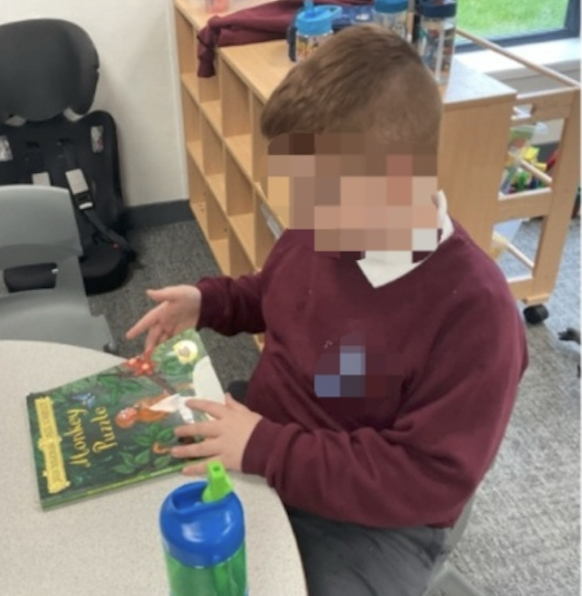
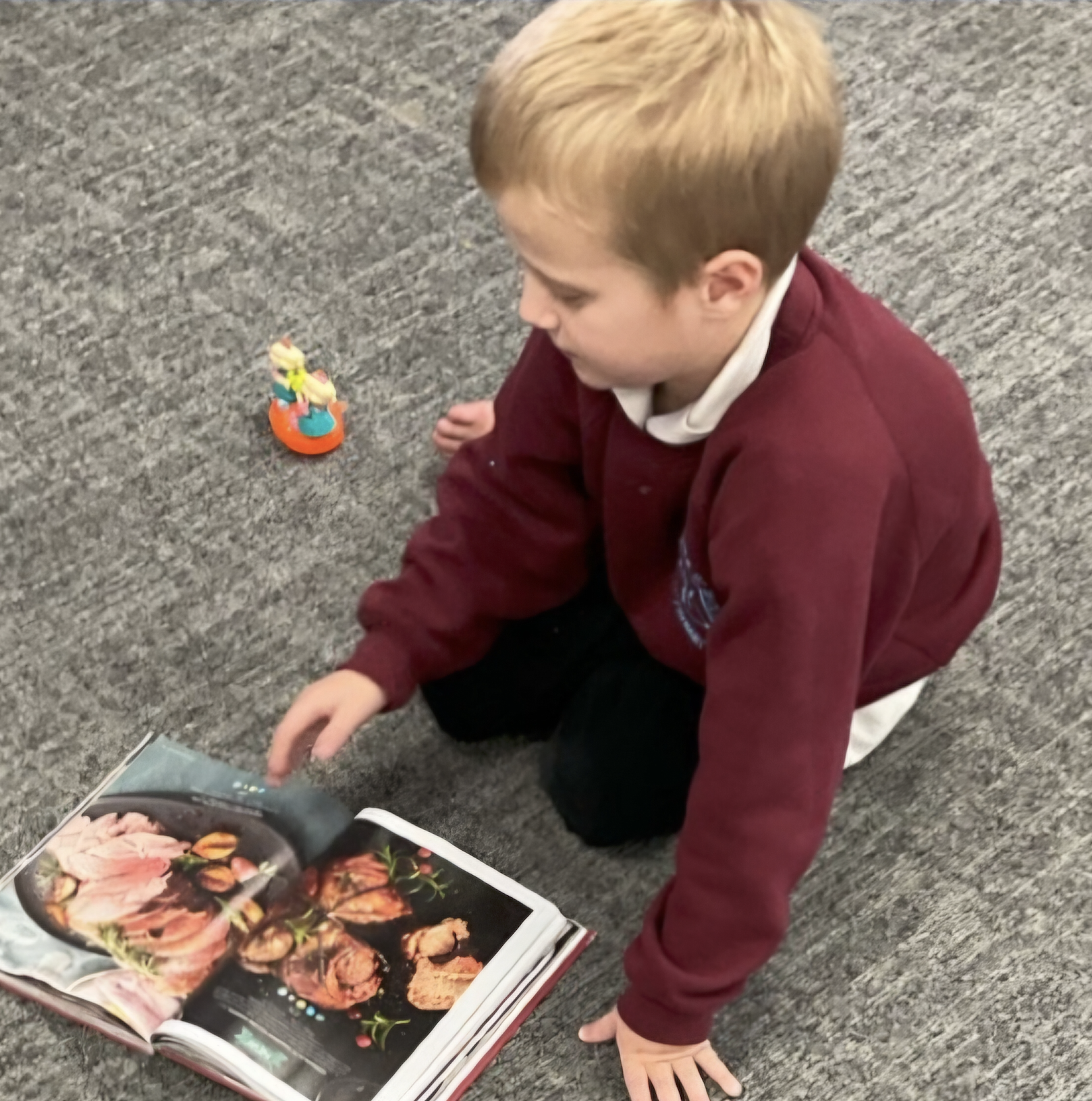
Oliver joined the class a year an a half ago. He is non-verbal and at that time had almost no words at all. For him, literacy has been the key to language. He loves books and one day we were overwhelmed to get a video from Oliver’s family of him looking through the book Brown Bear Brown Bear and saying all of the words from each page with beautiful intonation. We already knew he loved to organise plastic alphabet letters and do alphabet jigsaws and, on occasion, had heard him saying letter names, but this was the first time we had heard so much from him.
His literacy interests then started to become more obvious by the day. He likes to open Cbeebies on an iPad with an adult, find a favourite show, then look at the title of each one – pressing play until the title of the episode comes up then pausing the video, zooming in, and using an adult’s finger to scan the word from left to right as a request for them to read it which he then echoes. He then moves on to the next episode.
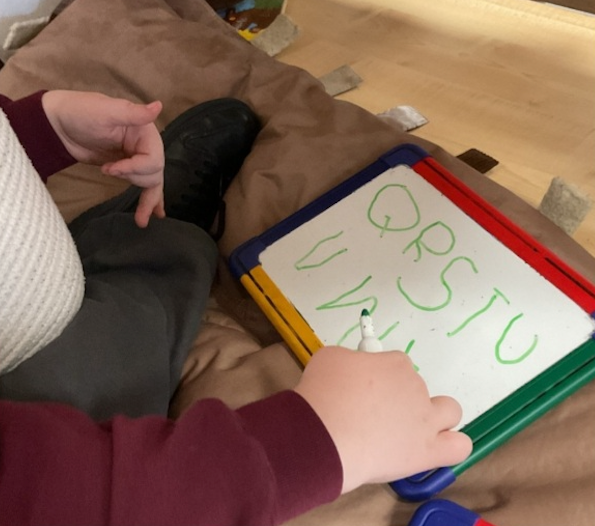
For a while, one of his favourite activities was to pass wooden blocks to an adult, hand them a felt tip and say a letter name and sound (“A, a”) for them to write on the block. He then moved on to requesting words. We soon ran out of blocks! We bought more, then they ran out too. We are now in a cycle of painting blocks white when he gets bored of those words so that he can start over again. Oliver carries a basket everywhere with him, filled with letters and blocks and his favourite books of the moment. The extent of his literacy soon levelled up when we introduced him to an AAC device, and in particular the type to talk function. He would spend hours sitting with an adult and telling then words to type. We saw that he could go from A – Z over and over, telling us what to type for each letter (A, apple, B, ball, etc) and could very quickly think of many words for each letter. We soon realised that Oliver understood and could say over 300 individual words with more and more words being added each day. When we hesitated over the spelling of a word he would tell us what letter came next. The boy who refused all phonics activities, we now realised, could read and spell. He told us a list of words to type (fly – on – holiday – to – the – holiday – house – on – aeroplane) and with that we heard his first ever non-scripted sentence (and realised that he understood sentence structure.) He told us his favourite story word by word and with that we realised he had story recall without having to look at pictures for reference. For this Oliver, literacy a powerful tool for accessing language.
Max
A Sensory Explorer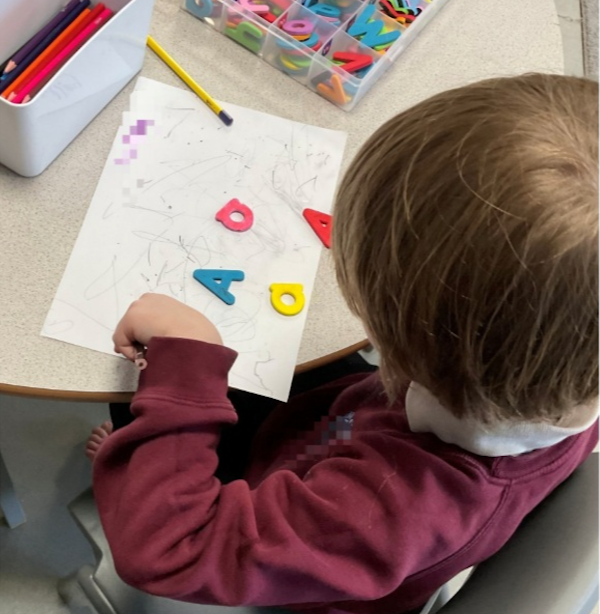
Bradley
Literacy Through Movement & PlayLiteracy as a Gateway to LanguageOliver
Jude
Literacy Through Music & Expression
Arlo
A More Typical Literacy Pathway