
Green Meadows Academy, Leeds
Multi-site special school with satellite provision in mainstream primary and secondary schools
225 students aged 4–19
Providing education for pupils with a wide range of needs, including autism, communication and interaction difficulties, and complex needs
Green Meadows Academy is a multi-site special school, that caters for learners aged 4-19 with a wide range of needs. We have 225 students on roll, those with the most complex needs attend our main site. We also run satellite provision in one mainstream primary school and two mainstream secondary schools. Within these provisions, pupils access our base staffed by Green Meadows, while also having the opportunity to participate in up to 3 mainstream GCSE lessons.
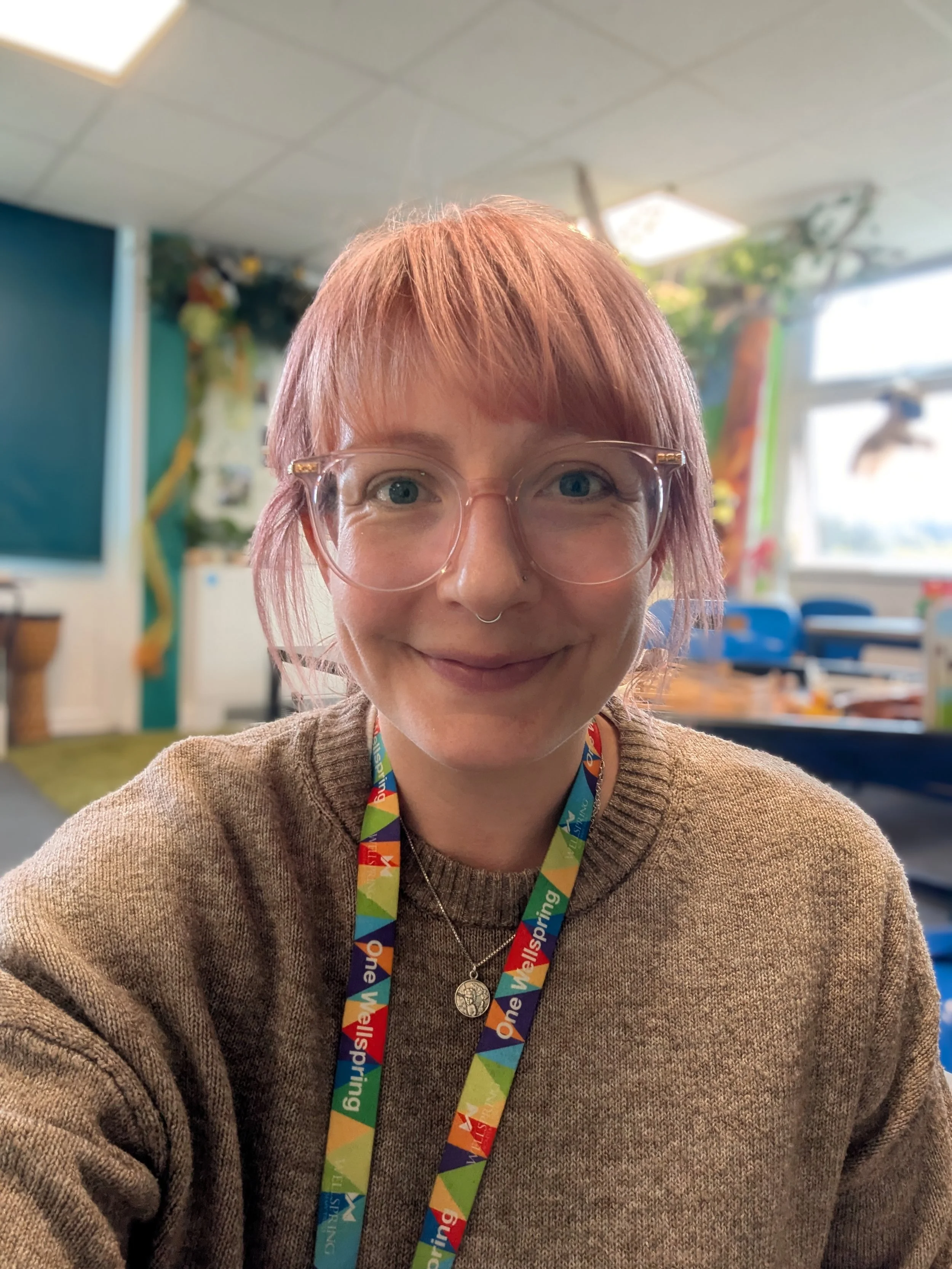
Jessica Wallace, Assistant Principal
Our journey to inclusive literacy
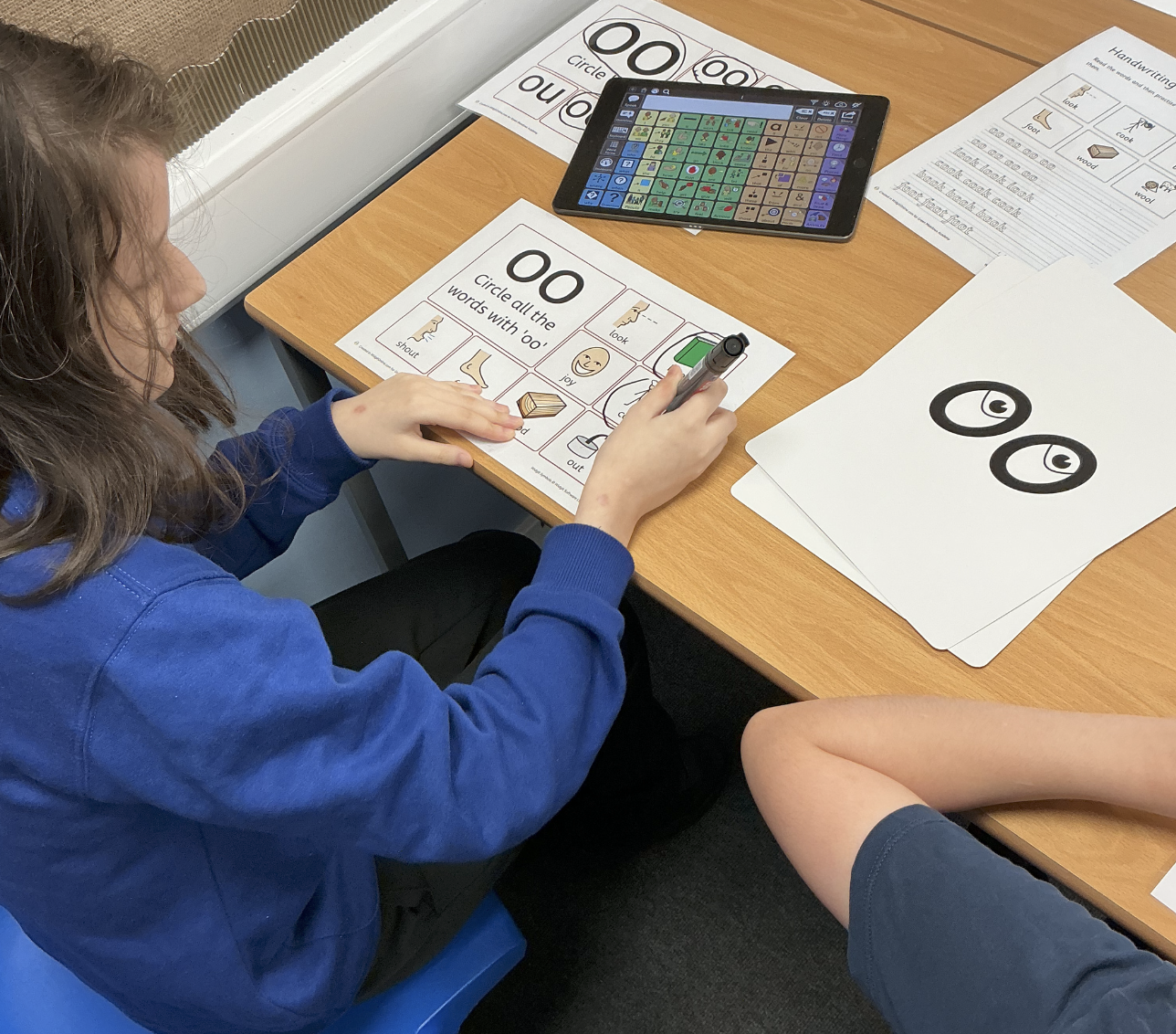
The overhaul of our English provision began in 2022, with a renewed focus on phonics and the implementation of the Read Write Inc. scheme across the school. This involved extensive staff training, and half termly learning walks. Initially we met with some. resistance, some staff believed that sight word reading is the best way to teach our pupils, especially autistic young people, to read. As we know, this has historically been a common belief. However, as highlighted by SEND literacy specialists such as Sarah Moseley, Jane Farrell, phonetic literacy teaching gives pupils the best chance of gaining a comprehensive ability to read and write. We trained staff on how to adapt the Read, Write Inc scheme in a way that was relevant to our learners. For example, focusing on individual sounds for much longer periods of time to allow opportunity for overlearning, managing cognitive overload by repeating familiar tasks and using pupils sensory profiles to guide teaching approaches. For those not ready to access a more formal SSP , we delivered training on effective pre-phonics and introduced assessment for this area so staff could see which of the seven aspects of Letters and Sounds phase one pupils were finding challenging.
“Every pupil should have the opportunity to develop the confidence and independence to communicate in a way that matches their individual need.”
Green Meadows Staff Member
Alongside a focus on high quality phonics instruction, we emphasised the importance of enviromnmental print and exposure to the alphabet for all pupils - regardless of their level of need. Sensory stories were used well, but we introduced expectations that these are supported by print. We also trained staff on the importance of envronmental print and talked about where symbols are helpful, and where they can negatively impact on print recognition. Phonics was embedded over the course of two years, and as staff saw the success pupils were experiencing they became more and more committed to the importance of phonics teaching. We also found that pupils really enjoyed phonics lessons - they are by nature predictable and follow a structure. All of this progress was reflected in our 2024 OFSTED report which specifically highlighted “Pupils relish listening to stories and appreciate reading for pleasure. They enjoy learning phonics. Phonics is taught well.” High quality story books, linked to our topic or theme, form the basis for planning accross the school. This supports the development of comprehension and reading for pleasure. Stories provide moments of connection, joy and engagement and I am confident that this remains embedded across our provision.
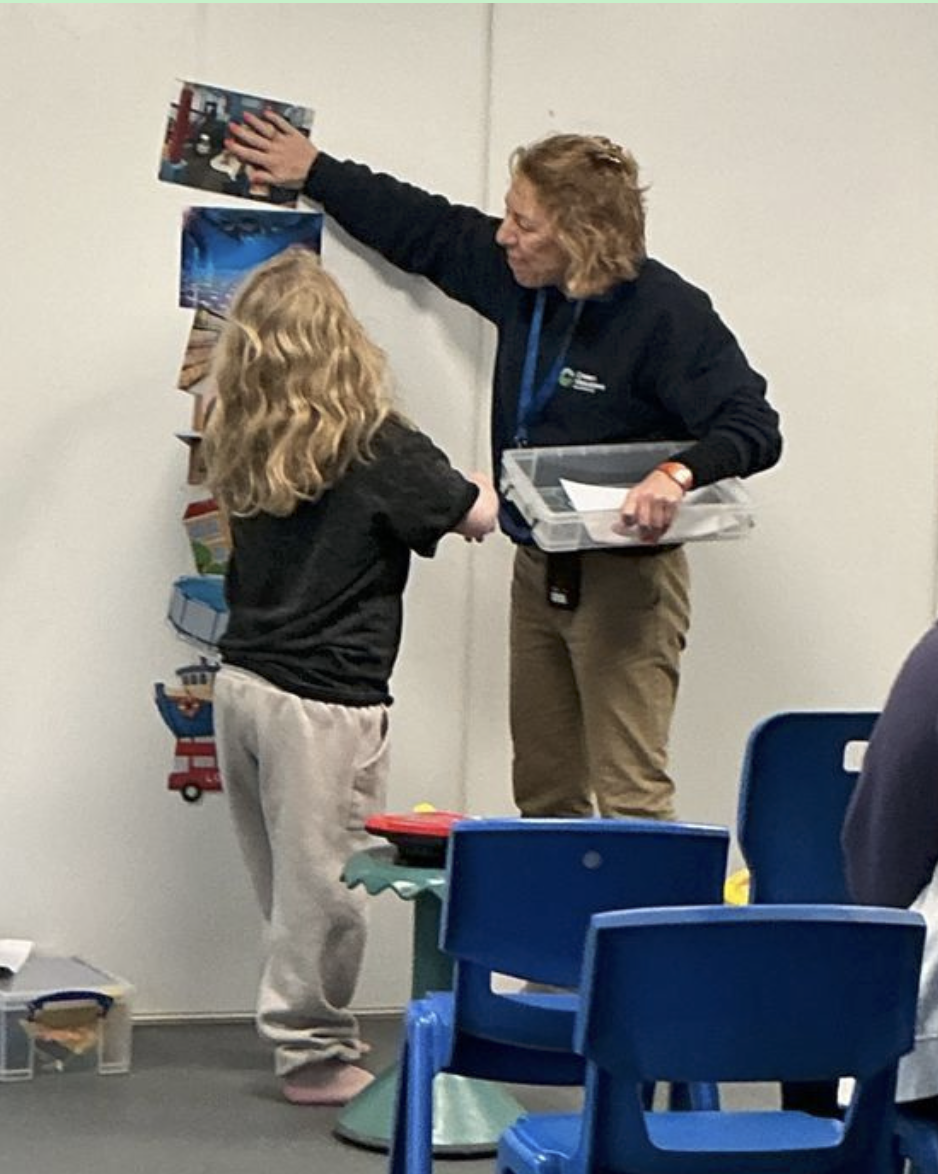
“Stories are fun; when I read to my pupils we share laughs and strengthen relationships (especially when combined with sensory elements).”
Green Meadows Staff Member
The next steps - the challenge of writing
Phonics was always the first step in our journey towards inclusive literacy, and in 2023 we began to consider what inclusive literacy meant for our writing. We passionately believed that communication needed to be at the heart of our writing curriculum. The ability to write gives our students agency. By valuing writing, we show our pupils that their voice matters; that they have something worth saying and people who want to hear it. This is especially crucial for our non-speaking pupils, for whom writing is the most effective way for them to express and advocate for themselves.
When beginning our journey, with observing a range of writing teaching and looking at work samples from across school two key areas for development became clear. Firstly, the understanding of pre-writing skills. We saw a number of examples of copy writing, or hand over hand. Secondly, staff’s ability to break down the elements involved in writing and their ability to plan effectively for progression over a unit of work. This was especially evident in our secondary provision, in which we had a number of teachers who had come to us from a secondary background, and therefore did not have the experience in planning for units of writing that our primary trained staff had.
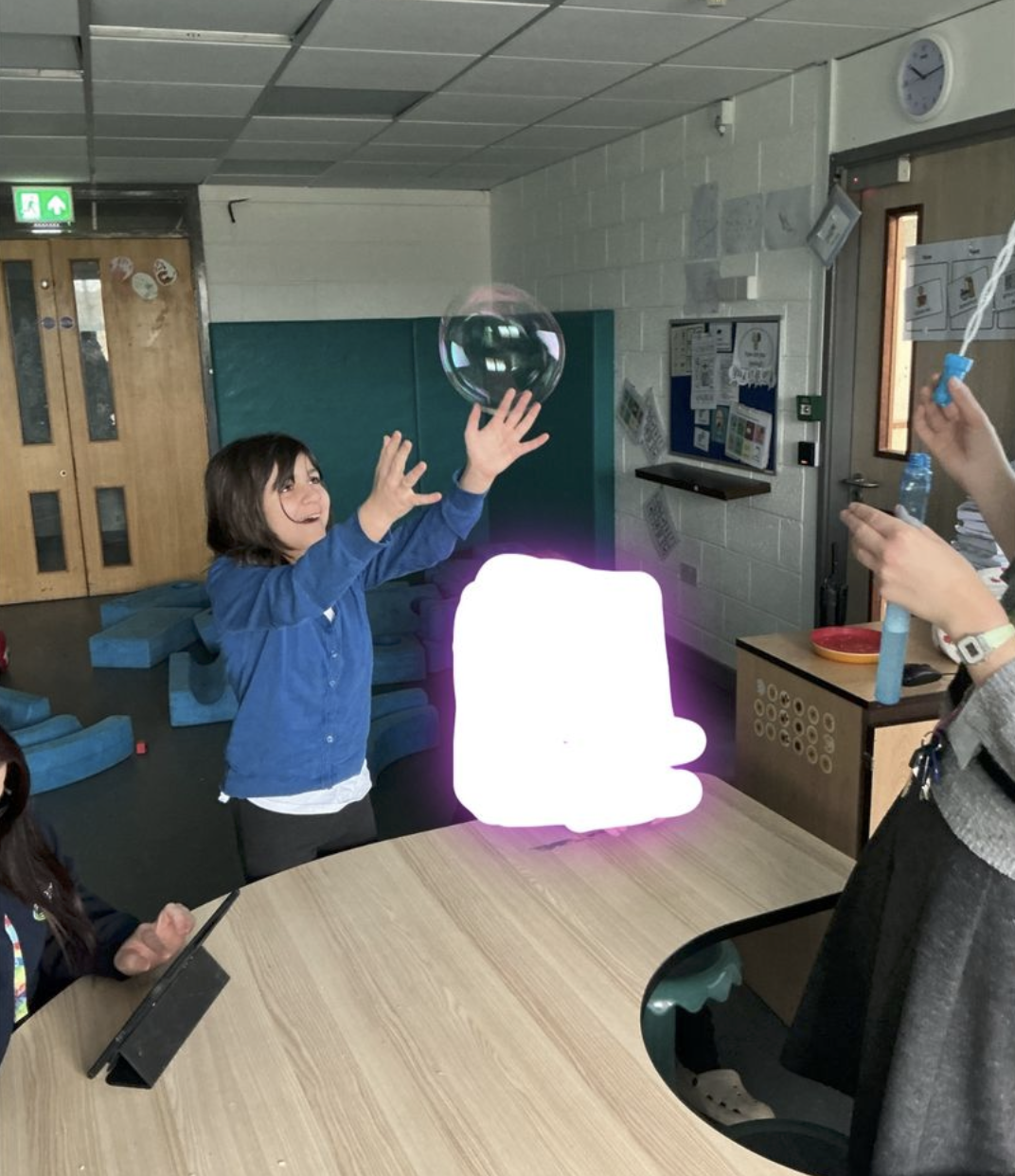
“Teaching literacy has fostered greater independence in the pupils I work with.”
Green Meadows Staff Member